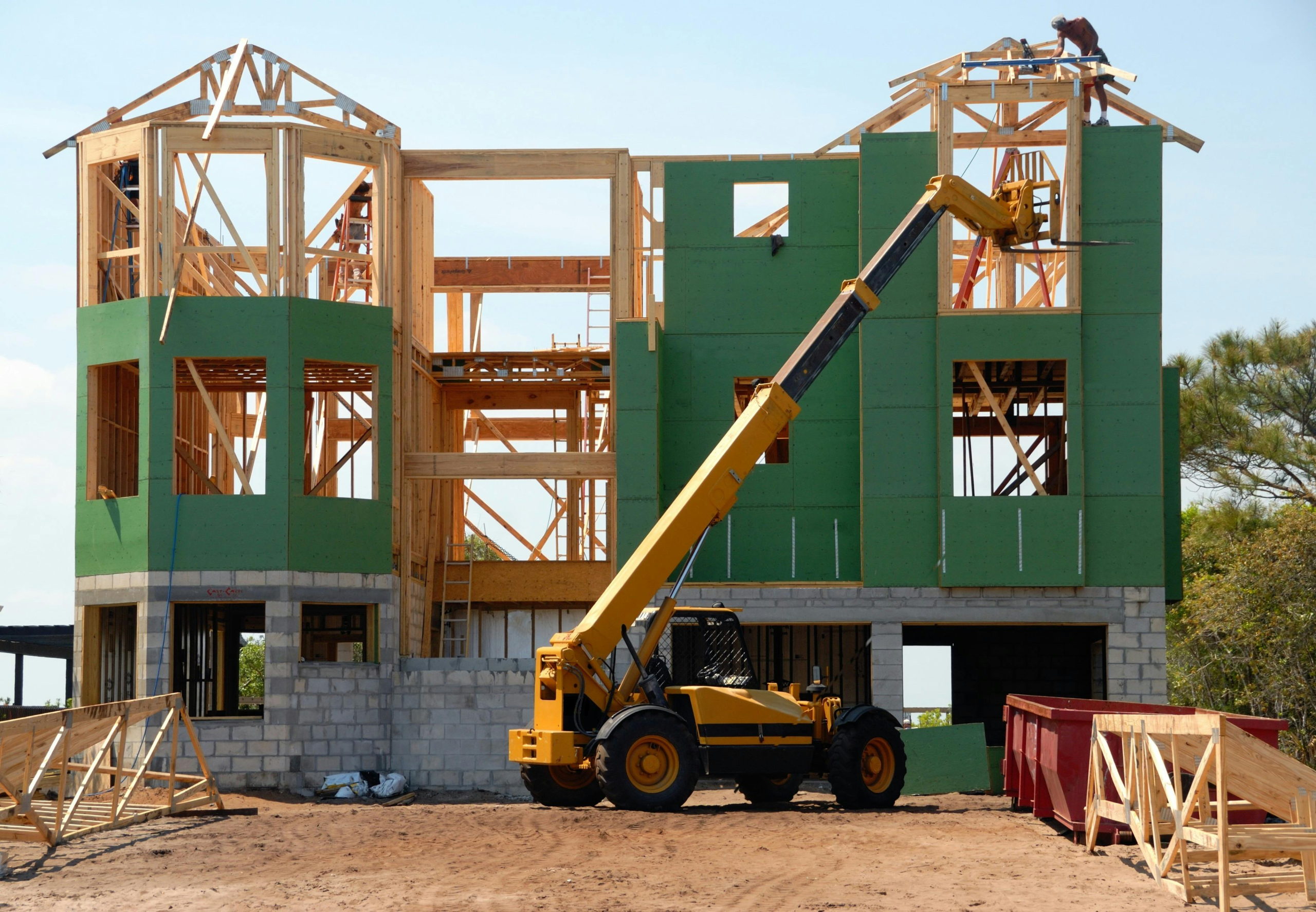
In fix-and-flip (RTL) lending, credit quality isn’t only underwriting. It’s process. Draw controls are one of the most important (and least celebrated) parts of that process, because they shape what actually happens after closing.
Here’s why draw controls matter—and what “good” looks like in practice.
1) Draw controls prevent budget drift
Rehab budgets are forecasts. Without controls, forecasts drift.
A disciplined draw process helps answer:
- What work was actually completed?
- Does completion match the scope?
- Are costs tracking to budget?
- Are change orders justified and documented?
2) Inspections protect both sides
Inspections aren’t just a lender protection tool—they also help good borrowers:
- avoid miscommunication with contractors
- stay on schedule
- keep the project aligned with the original plan
Consistency matters. If inspection standards change deal-to-deal, borrowers adapt in unhelpful ways.
3) Documentation quality changes outcomes
A clean draw package typically includes:
- inspection confirmation
- itemized invoices
- lien waiver process (where applicable)
- photos and progress notes
- updated timeline status
This isn’t bureaucracy. It’s how you prevent avoidable surprises later.
4) Timeline drift is a hidden loss driver
Even when principal is protected, delays create real cost:
- additional interest and carry
- extension risk
- reduced sale pricing flexibility
- increased probability of borrower distress
Strong draw controls help identify drift early and force corrective action.
5) Governance matters more than “tightness”
The point isn’t to be rigid. The point is governance:
- clear rules
- documented exceptions
- consistent enforcement
- escalation when facts change
That’s what institutional partners care about: predictable outcomes and honest reporting.
If you want more context on my work and background:
Bio: https://clarenceramsey.com/bio/
Press: https://clarenceramsey.com/press/
About Clarence Ramsey
Clarence Ramsey is a capital markets and operating executive (U.S. Army veteran, 101st Airborne) focused on disciplined execution, residential credit (RTL/bridge), and institutional relationships.
Learn more: https://clarenceramsey.com/bio/ • Press: https://clarenceramsey.com/press/ • Contact: https://clarenceramsey.com/contact/
Leave a Reply