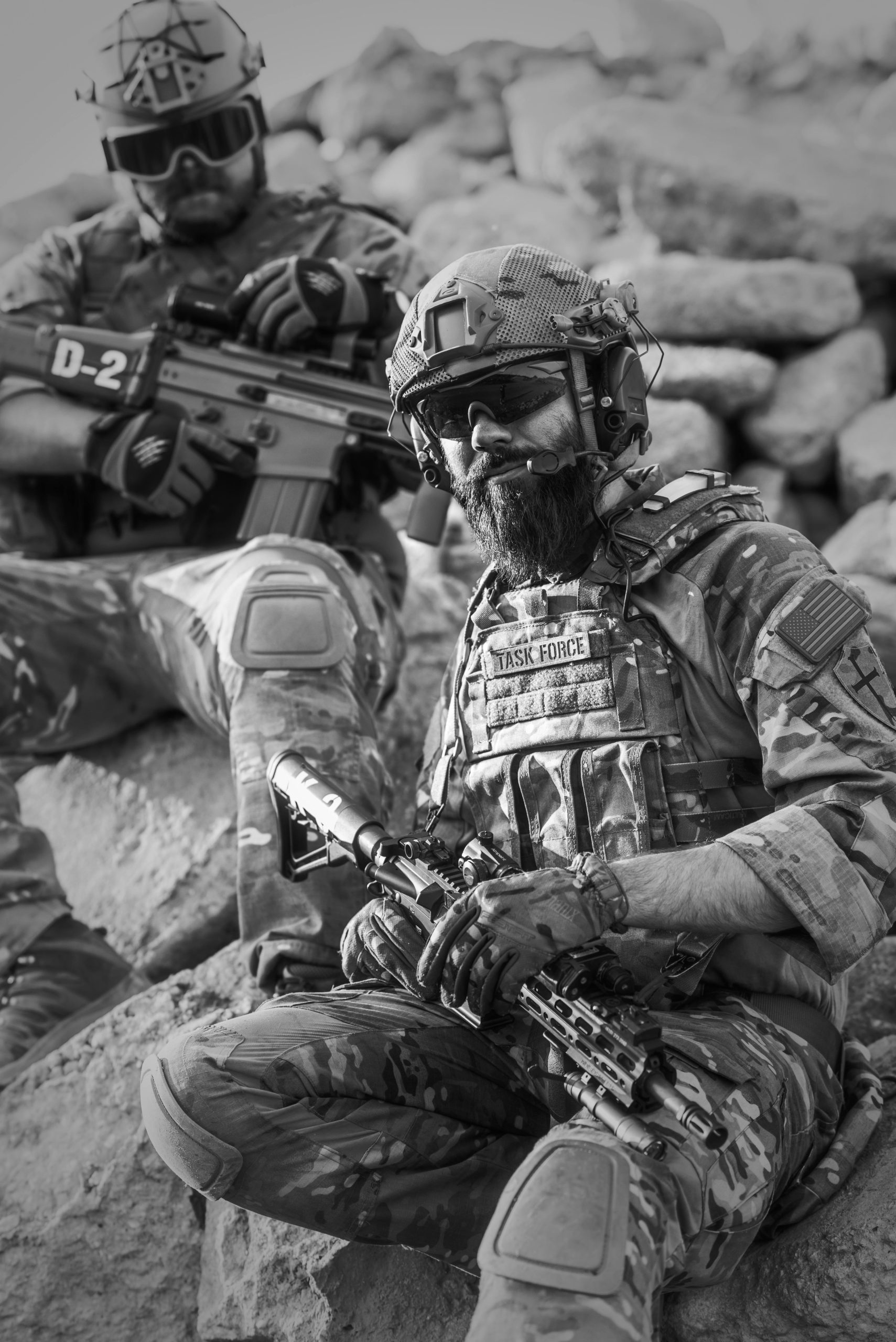
In the Army, a lot of real leadership happens at the smallest unit level. That’s where execution is either protected or allowed to drift.
The NCO mindset—whether you’re formally an NCO or not—is a practical approach to responsibility:
- don’t wait for perfect instructions
- solve what you can solve
- escalate what you can’t
- and follow through until the standard is met
Ownership is the antidote to drift
Most organizational failures aren’t from bad strategy. They come from drift:
- unclear owners
- ambiguous handoffs
- “I thought you had it” moments
- tasks that live in the cracks
Ownership closes the cracks.
What ownership looks like in practice
Ownership is not “doing everything yourself.” It’s making sure the thing gets done.
In business, ownership looks like:
- confirming the deliverable and due date
- naming dependencies early
- communicating status before someone asks
- documenting decisions so the team stays aligned
It’s boring. It’s also what makes teams trustworthy.
Build ownership into your operating rhythm
If you want more ownership in your organization, add two habits:
- One owner per outcome. (Not 3. Not “the team.”)
- One weekly cadence to review commitments.
When people know commitments will be reviewed, follow-through becomes cultural.
The takeaway
Small-unit leadership scales. It’s how a team becomes reliable without needing constant supervision.
That’s the kind of reputation that lasts.
Learn more: https://clarenceramsey.com/bio/ • Press: https://clarenceramsey.com/press/ • Contact: https://clarenceramsey.com/contact/
Leave a Reply